
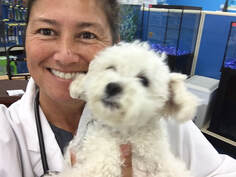
 Dr. Wendy presented 2 papers at the 20th Annual International Conference on TCVM in November 2018 in Ocala. See Abstracts below. Full papers are published in Pain, Lameness, Neurological and Endocrine Disorders - TCVM Update through the Chi Institute bookstore TCVM for the Treatment of EPMAbstract Equine protozoal myeloencephalitis (EPM) is an important neurologic disease of horses most commonly caused by infection of the central nervous system by the protozoa, Sarcocystis neurona. Clinical signs can be focal or multifocal and are attributed to damage to neural tissues by invasion of the protozoa and concurrent inflammation. Many horses will test seropositive, however, only a small percentage will exhibit clinical signs which implies horses with a compromised immune system are susceptible to infection while horses with a healthy immune system are able to clear the parasitic infection without treatment. Traditional Chinese Veterinary Medicine theory views this disease pattern as a Zheng Qi Deficiency with Qi and Blood Stagnation. Premortem diagnosis in both Eastern and Western Veterinary Medicine involves a thorough neurologic exam and response to treatment. Treatment with acupuncture and herbal therapy alone or in conjunction with pharmaceuticals has a favorable prognosis. Food therapy and rehabilitation can assist the horse to return to full function. Recrudescence and reinfection when the immune system is challenged is a common sequela, therefore, long term care of EPM horses should include TCVM treatment during times when the Zheng Qi may be challenged. Using the Horse's Constitution to Treat "ADR"Abstract
Preventative veterinary medicine is an age old concept that is the basis of animal husbandry. As veterinary medicine continues to become more specialized, veterinarians delegate many of the preventative procedures; feeding, housing recommendations, parasite control, farriery, dental care, breeding and conditioning to paraprofessionals and caretakers. The majority of horse owners no longer come from agrarian backgrounds where husbandry practices for the local climate and forage was passed on from generation to generation. Media, funded by corporations that sell vaccines, pharmaceuticals, supplements and processed feeds, have become the largest source of educational material for our clients concerning the wellness of their horses. Many modern horses live in urbanized settings, have little turnout and are fed large amounts of concentrated feeds. Competition can be demanding due to travel, athletic expectations, emotional stress and artificial day lengths. Some horses are more sensitive to stress, temperature, training methods and foods. If we can recognize our patient’s weaknesses, we can be better equipped to help them. The 5 Element theory classifies a basic constitution of a horse and helps us recognize how a horse with a certain constitution reacts with his environment, lifestyle and rider. We can use the constitution to prepare a Traditional Chinese Veterinary Medicine treatment plan to support constitutional vulnerabilities to reduce the incidence of disease, lessen the risk of sports injury and keep the horse happy in its work. Educating our clients on basic care and wellness and considering constitution, diet, environment and seasonal factors will help our sporthorses stay strong in mind, body and spirit throughout their career.
0 Comments
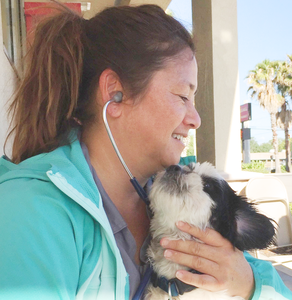 Heart worm preventative can be started at 8 weeks.
Puppies under 6 months, do not need a heart worm test before starting preventative. Puppies over 6 months require a heart worm test before starting preventative. Dogs require an annual heart worm test to renew your prescription. We recommend Iverhart plus or Heartgard plus which are oral chews given every month for heart worm preventative and to kill intestinal parasites. Flea Prevention can be started at 8 weeks. Nexgard is an oral chew given every month for fleas and ticks Bravecto is available for puppies over 6 months of age and is an oral chew given every 3 months for fleas and ticks Combined Heart worm preventative plus Flea protection Trifexis is an oral tablet that is given every month for heart worm prevention and kills intestinal parasites and fleas. Revolution is a topical liquid applied once per month for heart worm prevention and flea control. 8 weeks Parvo/Distemper Vaccine Deworming 12 weeks Parvo/Distemper Booster Vaccination Kennel Cough Oral or Intranasal Vaccination Deworming 16 weeks Parvo/Distemper Booster Vaccination Rabies vaccination with county license Deworming 1 year Parvo/Distemper Booster Vaccination Rabies vaccination Deworming Booster Vaccinations are recommended every 3 years Titer testing is available for Parvo/Distemper however rabies vaccination is required by law and titer test results are not accepted. We use a thimerosol free vaccine. Optional Vaccinations dependent on lifestyle If your dog leads an active lifestyle and goes to the dog park, lunch with friends and Sarasota dog meet ups, we recommend oral or intranasal kennel cough boosters annually. If your dog likes to play in the woods, go swimming and kayaking in the rivers and bays, we recommend leptospirosis vaccination annually. If you are boarding your pup, please check with the kennel to determine what vaccines they require at least one month before your stay. These recommendations are in accordance with the current AAHA Canine Vaccination Task Force guidelines. For more information on vaccines, visit the American Animal Hospital Association website. ABSTRACT
Abstract of Thesis Presented to the Master Program of the Chi Institute in Partial Fulfillment of the Requirements for the Degree of Master of Science DETERMINING THE EFFECT OF LASER ACUPUNCTURE ON THE HEART RATE OF ACUTE-STRESSED HORSES By WENDY YING, DVM, TCVMP, CCRT AUG 2016 Committee Members Sam Wu, PhD Huisheng Xie, DVM, PhD Aituan Ma, MS, PhD Anxiety in horses affects performance, health and value of sport horses and the reputation of trainers and competitors. Current treatments include behavior modification with pharmaceuticals, acupuncture, herbal supplements, mineral supplements and food therapy. We propose laser acupuncture, given before stressful situations can decrease anxiety and improve performance and health in horses. A 2 day cross over study was performed on 24 horses who were either assigned to the treatment or control group on Day 1. Treatment horses were given laser acupuncture to reduce anxiety. Control horses were given sham treatment with the laser in the off position. All horses were fitted with a heart rate monitor and then exposed to an acute startle test (AST). Heart rate was monitored 1 minute pre and 10 minutes post AST. Peak HR and return to Baseline HR was noted. All horses were allowed a wash out period of 7 days and then assigned to the other group and results from both days were compared. 22 geldings and 2 mares ranging in age from 6 yrs to 29 yr were used. Breeds included Arabians, Quarter Horses, Warmbloods, Tennessee Walking Horses and grade horses. Disciplines included Jumpers, Hunters, Dressage, Driving, Fox hunting and Trail. Our data shows in some cases, laser acupuncture did reduce peak heart rate and decreased the time to return to baseline. Further research needs to be done with a larger group of subjects. Modifying the acute startle test depending on the level of anxiety of the breed/discipline may give more meaningful results. Quarter Horses, trail and driving horses showed a very low level of startle (ie lower peak heart rate) compared to dressage horses and jumpers probably due to their exposure to loud noises in their daily activity. This model may be used to test the effectiveness of other kinds of acupuncture treatments, herbal therapies, pharmaceuticals and supplements claiming to be effective in controlling anxiety in horses and other animals.  Food Therapy is one of the five branches of Traditional Chinese Veterinary Medicine. It is a practice of healing using natural foods along with or instead of medications. The Yellow Emperor's Classic of Internal Medicine (Huang-di-ni-jing, written around 300 BC) was most important in forming the basis of Chinese food therapy. It classified food by Yin and Yang food group and five tastes and by their natures and characteristics.
For example, Yang foods are believed to warm Yang, tonify Qi, dispel Cold, move Qi and Blood, resolve stagnation, stop pain. Yin foods nourish Yin, cool blood, clear heat, detoxify. Therefore, Yang foods (e.g., mutton and pumpkin) are used for Qi/Yang Deficiency, Qi-blood stagnation, wei syndrome, Lin syndrome, immunodeficiency. Yin Foods (such as turkey and tofu) are used for the treatment of Yin Deficiency, skin itching, autoimmune diseases, Cushing's disease. Food Therapy is the preparation of using selected food ingredients and superior herbs. The goals of food therapy are
Whole, fresh foods should be a big part of your animal's diet. Processed foods and vitamin isolates lack the phytonutrients, enzymes and building blocks of whole foods. The first step to good nutrition is a variety of quality whole foods. When clients start home cooking for their dogs and cats, I recommend feeding platinum performance for support as a good adjunct to your home cooking. Here is the link to platinum performance, use code YIN when checking out. 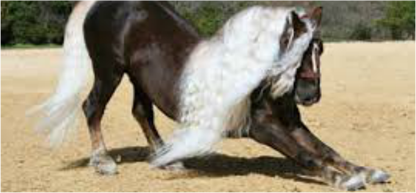 What is equine and canine rehab ? No, it is not a support group for animal hoarders. It is physical therapy for our animals. Physical rehabilitation's main goals are to reduce pain and bring the body back to its normal function. That is why Acupuncture and Chiropractic Care work so well together. Acupuncture restores the pain and brings the body back into balance and chiropractic mobilizes the joints and restores the body's normal functions. We can also use manual therapies like tui na (meridian massage), passive and active range of motion and exercise. We teach many of these exercises to the caretaker so you can become a partner in your pet's recovery.
Whether the injury is acute, like an accident or post op, or chronic like arthritis or compensation from an old injury or poor conformation, a solid rehabilitation plan is the fastest way back to normal function and performance. We all know that a weak core leads to lumbar pain, that is why Dr. Kyle sends his human patients home with core stabilization exercises and yoga moves. We design exercise programs for dogs and horses to help them develop these muscles too. For horses, the exercises can be done under saddle or in hand. For dogs, we do positional exercises and even use tiny cavalettis for strength and paw awareness. One big difference in core strengthening in animals is...they get to eat treats during exercise ! Think about that next time you are doing crunches. People ask me, does my animal need rehab ? Well in a way yes, all animals need a baseline amount of exercise and a healthy diet, just like people to stay healthy well into their golden years. Many diseases are caused by a sedentary lifestyle, obesity, diabetes, tendon injuries because they lack the muscle to protect themselves in a stumble, even general stiffness or a poor gait. Did your older horse go from an 8 mover to a 6 ? Does your old lab not want to jump in the truck anymore ? Maybe its not just that he is old. Maybe he needs some help to keep his joints moving and muscles firing so you can keep enjoying the company of your best pal. 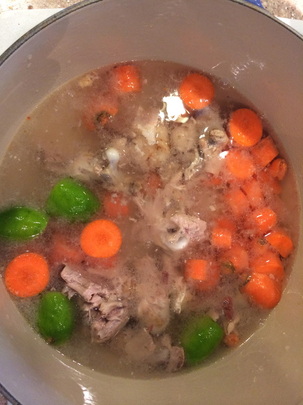 Bone Marrow Soup I talked about this on the Driving Radio Show this week. Here are some step by step instructions. I always encourage my clients to cook for their dogs and cats but just like cooking for yourself and your family, it usually takes a big health problem to make the change from processed foods to fresh home cooked. Its ok to start slow. Even if you don't want to or can't cook every day. Fresh foods as treats or a few days a week is a great starting point. Ingredients : Marrow bones Turkey Thighs 1 lime 1 TB apple cider vinegar 3 cups of chopped root vegetables Carrots, squash, beets, celery - I used carrots because I always have that on hand :) Directions : Cut long bones to expose marrow. I used a big cleaver and hammer, see photos Put bones, veggies, the juice of 1 lime and 1 TB apple cider vinegar into a large heavy bottomed pot and bring to a boil. Reduce heat to low and simmer covered overnight. You can also do this in your crockpot. As the bones simmer, the acid of the vinegar and veggies extract the nutrients and essence of the marrow. Check water level every few hours and add more water if the bones are uncovered.
Let cool and strain broth. Keep in fridge for up to 1 week. Feed small (start with 2 TBs) frequent meals throughout the day to your sick doggie or kitty. The cooked veggies can also be added to the food if they are strong enough to eat them. This is a great way to get them back eating after an insult, like after eating a week old dead squirrel in the yard, post chemo, post parvo, ect. Variations : you can make this with any marrow bones, beef, pork, even a whole organic chicken. Consult with your TCVM vet to see what protein would be best for your pet. I usually make this with the left overs from Tamika and Rolly's turkey roast, which is just roasted turkey thighs on a bed of chopped green veggies like zucchini, green beans, ect. Roast in the oven @ 350 for 1 hr. When cool, remove the meat from the bones. The bones go into the soup pot and the meat is chopped up and added back to the veggies. I then add in some cooked brown rice, millet or their favorite, red quinoa ! Then mix it all up and I put it in tuperware and store 1 weeks worth of food in the fridge and freeze the rest in 1 week aliquots. When traveling, we freeze individual meals and put them in the cooler and defrost when needed. 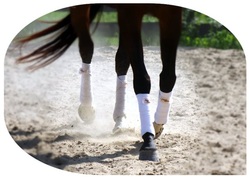 This is a great article by Kathy Farrokhzad on her blog Horse Listening. See her intro below and click on her link for the whole post.
"Do you have a horse that seems to regularly trip or stumble, either in the front or hind end?The footing is good. The path is clear. There were no sudden changes to your direction. The horse is sound and you know the tack fits well. His feet are trimmed. There are no other underlying physical issues that you are aware of. Yet your horse stumbles here, trips there, and as time goes on, you learn to just quietly ignore it. After all, the horse is trying his best and there’s nothing you can do, right? WRONG! If you listen carefully, you might even discover that you are more a part of the equation than you give yourself credit for. It might be something you are doing. Or it might be something you are NOT doing! Be an active rider so you can help your horse through these moments. Your strong problem-solving skills are just the ticket to helping your horse develop better balance during riding. " http://horselistening.com/2013/07/04/how-to-ride-the-stumble-out-of-your-horse/ 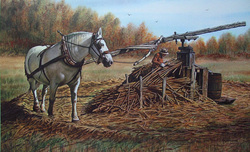 Autumn is the season for the Metal Autumn is just around the corner, the weather will be cooler and drier. According to TCVM principles, dryness becomes a major problem affecting the metal element. The Metal horse is clean, quiet, confident and disciplined. They like to follow the rules and do not like change. They learn quickly but it is quite a task to train them for a new job. They tend to be aloof. The associated meridians and Zang Fu organs of the metal are the lungs and large intestine. The external orifice is the nose and the tissue is the skin and hair. The metal element is involved with respiration and digestion due to its relationship with the lungs and large intestine but it also is deeply involved with the skin and hair coat and the immune system. As the seasons change from hot humid summer to cooler drier fall weather, the lung can be weakened by the dryness. This leads to symptoms such as dry flaking skin, dry nasal cavity, frequent nose bleeds, sore throat, coughing and constipation. The weakened immune system leaves us open to infection by external pathogens, ie virus, bacteria, mold and allergens. Drinking enough water and avoiding losing too much fluids are always important, but are even more so at this time of year. After a hot summer with numerous reminders to rehydrate, cooler temperatures cause us to take in less water. You don’t feel hot and parched so you drink less. This makes you more susceptable to the effects of dryness as your mucosa in your nose, mouth and throat ( your 1st line of defense against pathogens) dries out and becomes less functional. Symptoms of dryness include impaction colic, respiratory distress of COPD, skin itching, flaking, rain rot, nasal discharge, susceptability to respiratory diseases, decreased energy, cracked hooves and dandruff. So what can you do to prepare for the fall season ? Start with food therapy. Eat more soups, stews or cooked vegetables. This will increase your water intake and cooked food is easier to digest and warming so boosts your qi. Cooked yams or pumpkin with ginger is a good addition to your animal’s diet at this time of year. Pear is also an excellent choice to tonify the lung. Pear reduces cough, relieves dryness and tonifies the qi. Any yellow, orange and/or red foods are good to incorporate into the diet, so bananas, lemons, apples, beets, yams, squash are great to incorporate into the diet. Grief is the emotion of the metal. Your horse may seem sad or depressed with the shortening of the days. This is a time of the year to be reflective. Look over your goals for your horse. Is it time for a rest before the season gears up in the winter early spring or is it time to push on for the finally before the winter ? Organize and make a plan for your metal horse that involves rest or sufficient support to get him through the end of his season. For people, we say now is the time to let go of negative emotions. For horses, they may have more off days than usual in the fall. Maybe it is time for a trail ride rather than dressage school or do shorter sessions with rest and praise in between sets. If symptoms persist, seek additional treatment such as acupuncture, herbal therapy and chiropractic care. An immune supplement such as Standard process immune support can help boost qi and fight off colds.  UUUUUGHHHH my dog has fleas !!
A common veterinary complaint this time of year is the abundance of fleas both on your pets and in the house. Sometimes the mass bloom feels like an over whelming invasion leading you to toxic chemicals and flea bombs. There are some simple steps you can take to make you and your pet flea free. As we all have experienced, fleas bites cause itching and redness. They can also lead to a more serious form of allergic dermatitis that has a vicious feed back cycle of itching and scratching, eventually leading to crusty, oozing sores or your poor puppy. They can transmit tapeworms and some blood born diseases. The first step in your battle against the flea is to know your enemy. The flea has a multistage life cycle. Adults live on mammalian hosts and lay eggs on the skin which fall off and hatch in the environment. Larvae emerge in as little as 4 days and live off organic debris ie. skin cells, dust bunnies, ect. They then pupate like a catapillar and grow into their adult form then hatch and look for a host. At any one time, the majority of the fleas in your environment are in the egg, larval and pupal stage with only about 5% living as adults on your and your pets. As you kill off the adults, the new generation emerge so flea control must include killing young stages too. I recommend trifexis which is spinosad with milbemycin oxime) for a monthly oral treatment for fleas, intestinal parasites and heartworm. Spinosad has high efficacy, a broad insect pest spectrum and low mammalian toxicity. Spinosad is considered a natural product derived from a mold found on crushed sugar cane and is approved for use in organic agriculture. Comfortis is the name brand of spinosad alone and can be used in cats and dogs. (Warning : there are certain breeds sensitive to milbemycin oxime so as always, check with your veterinarian 1st before starting this medication.) These products will start killing fleas in 30 minutes and kills 100 % of fleas within 4 hours. One of the best and easiest ways to break the flea lifecycle is to vacuum at least 1 per week and wash your bedding and the pets beds with diatomaceous earth. This is a white powder made from tiny fossilized skeletons of Diatoms, tiny phytoplankton made up mostly of silica. The edges of the diatoms slice into the insect and cause it to dry out. Sprinkle a very thin layer around the house before vacuuming and make sure to change your vacuum bag or container as soon as you finish as the eggs can live in the bag. Light traps ( small desk lamp shining on a tray of soapy water is also an effective adult trap and will give you an idea how many fleas you have and if your efforts are working. Start with a dusting of diatomaceous earth into your pets skin and wait a few minutes and then using a flea comb, manually extract the fleas. This is your best choice with very small pets or weak or sick animals. A warm soapy bath will do wonders to get rid of the bulk of the fleas. Fill the tub or sink with soapy water and put your puppy in it. Be prepared for mass exodus as they try to jump ship. With your flea comb, try to remove as many fleas as you can and submerge them in the soapy water. Diatomaceous earth does not work when wet so wait a day or so after the dusting for the bath. The dusting and the bath are great treatments for a sudden surge in fleas or between monthly treatments. The addition of yeast and apple cider vinegar to your pet’s diet will also greatly help his battle against fleas. If your pet is suffering from flea bite dermatitis, you may need to add in a little TCVM along with some TLC to help break the itch scratch cycle. Driving Radio show episode 106 July 17, 2013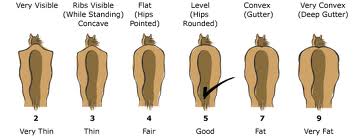
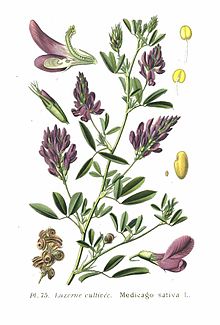 You rescue a starving pony and the first thing you want to do is feed him all the grain, apples and carrots he will eat right ? Well that is very well meaning but can be life threatening for your new little pal because of re-feeding syndrome which is a metabolic crash when the body is introduced to carbohydrates again. (metabolism geeks - see box below) So before your neighbor calls the humane society on you, how do you know if your pony is actually starving or just skinny ? Ask yourself these 3 questions. 1. Is he a body condition score of less than 3 ? 2. Has he eaten any food in the last 5 days ? 3. Has he lost more than 15 % of his body weight within 2 months or less ? If you answered yes to any of these, call your vet, resist temptation to deworm and vaccinate for 2 weeks, get some probiotics and follow the rule "go low and slow ". Low sugar and carbohydrates and multiple small meals throughout the day gradually building up to free choice food over 14 days. Feed a high protein low carb food, like Alfalfa and make sure he has access to fresh, clean water and salt. Day 1-3 Feed 1 lb (1/4 flake) of alfalfa hay every 4 hours. Day 4-7 4 lb about (1 flake) and decrease the frequency of feeding to every 8 hours Day 7-14 Continue feeding at this rate while slowly increasing the amount and decreasing the frequency until the horse is receiving all the hay it wants in a day. If feeding grass hay, feed 2x the amount at the same rate. At the end of 2 weeks you can introduce grain. Choose something with high fat, high fiber, low starch, low sugar. Senior feed is best as it is nutrient dense, high fat and easy to chew. Feed ½ pound of concentrate twice a day then increase grain by ½ pound a day every 3 days until the horse is being fed ½ to 1 pounds of grain per 100 pounds body weight per day in 2 feedings. So a 500 lb pony will be eating 5 pounds of senior feed per day. A safe rate of weight gain is about 1 lb per day. Make sure to have your vet or a friend who does not see your pony every day asses your progress. At the end of 2 weeks you can now work on his other problems which may include any and all of the following :
Choose one problem at a time to work on as you peel the layers of the onion away on your road to recovery. Start with parasites and just assume this pony has never seen any dewormer in his life and is full of worms. On day 14, give ½ dose of one of the paste dewormers containing one of the Here again, resist the "more is better " approach and buying the best dewormer there is that kills everything. Intestinal parasites in horses live in various stages in the body. Some are imbedded in the tissues, some are living in the gut lumen and some are eggs on their way out to infest your pastures. You want to start with fenbendazole (Panacur or Safe-guard) which is a mild dewormer because it only kills the adults in the lumen of the intestines. Killing all the larva lurking in the tissues can lead to an inflammatory reaction in the gut leading to colic and laminitis. Day 14 - 1/2 dose of Panacur Day 21 - 1/2 dose of Panacur Day 28 - full dose of Panacur Day 42 - 1/2 dose of Ivermectin Day 56 - Power Pac - 5 day treatment of Panacur then continue on a maintenance deworming schedule The theory behind this schedule is to kill off the parasites in the gut and then wait a week to let some larva emerge, kill off the next round and treat again so you are treating the wave of emerging parasites. The Ivermectin kills bots (fly larve in the stomach) and thread and neck worms that cause inflammation in the skin and eyes. The 5 day power pack kills the rest of the larva (encysted strongyles) which hopefully by now are down to a reasonable number and will not cause an inflammatory reaction. Of course this is a general guideline so consult with your veterinarian so you can decide whether your pony is ready for this treatment. Some things to consider : Dos
Don'ts
Re-feeding syndrome - occurs when a starved horse is fed too quickly during his rehabilitation. During the period of starvation, the body goes into a state of ketosis and uses fats for its main source of energy because it doesn’t have carbohydrates. Ketosis changes the electrolyte balance in the cells and depletes the body’s stores of essential minerals like phosphate, potassium and magnesium. Because the animal is not eating, he can not replenish these stores. If carbohydrates are introduced too quickly, the body releases large amounts of insulin to process the carbs. Carb metabolism requires large amounts of phosphate, potassium and magnesium but because the starved animal is running on empty already, he suffers symptoms related to electrolyte depletion like heart palpitations, respiratory distress, paralysis, organ failure, confusion, and weakness. This occurs in all mammals but in horses some of the consequences can also include laminitis (founder) and rhabdomyolysis (tying up).
This condition was first fully understood in people in 1950 when prisoner of war veterans who were malnourished in captivity were released back to the American military and is a common consequence in anorexic patients. |

Dr. WendyPractices Traditional Chinese Veterinary Medicine in Sarasota, Florida Categories
All
Archives
December 2023

|
 RSS Feed

|
|