
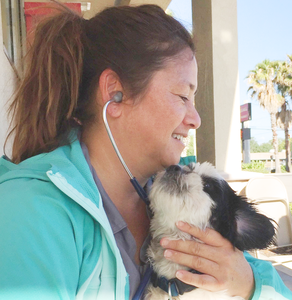
 Heart worm preventative can be started at 8 weeks.
Puppies under 6 months, do not need a heart worm test before starting preventative. Puppies over 6 months require a heart worm test before starting preventative. Dogs require an annual heart worm test to renew your prescription. We recommend Iverhart plus or Heartgard plus which are oral chews given every month for heart worm preventative and to kill intestinal parasites. Flea Prevention can be started at 8 weeks. Nexgard is an oral chew given every month for fleas and ticks Bravecto is available for puppies over 6 months of age and is an oral chew given every 3 months for fleas and ticks Combined Heart worm preventative plus Flea protection Trifexis is an oral tablet that is given every month for heart worm prevention and kills intestinal parasites and fleas. Revolution is a topical liquid applied once per month for heart worm prevention and flea control. 8 weeks Parvo/Distemper Vaccine Deworming 12 weeks Parvo/Distemper Booster Vaccination Kennel Cough Oral or Intranasal Vaccination Deworming 16 weeks Parvo/Distemper Booster Vaccination Rabies vaccination with county license Deworming 1 year Parvo/Distemper Booster Vaccination Rabies vaccination Deworming Booster Vaccinations are recommended every 3 years Titer testing is available for Parvo/Distemper however rabies vaccination is required by law and titer test results are not accepted. We use a thimerosol free vaccine. Optional Vaccinations dependent on lifestyle If your dog leads an active lifestyle and goes to the dog park, lunch with friends and Sarasota dog meet ups, we recommend oral or intranasal kennel cough boosters annually. If your dog likes to play in the woods, go swimming and kayaking in the rivers and bays, we recommend leptospirosis vaccination annually. If you are boarding your pup, please check with the kennel to determine what vaccines they require at least one month before your stay. These recommendations are in accordance with the current AAHA Canine Vaccination Task Force guidelines. For more information on vaccines, visit the American Animal Hospital Association website.
0 Comments
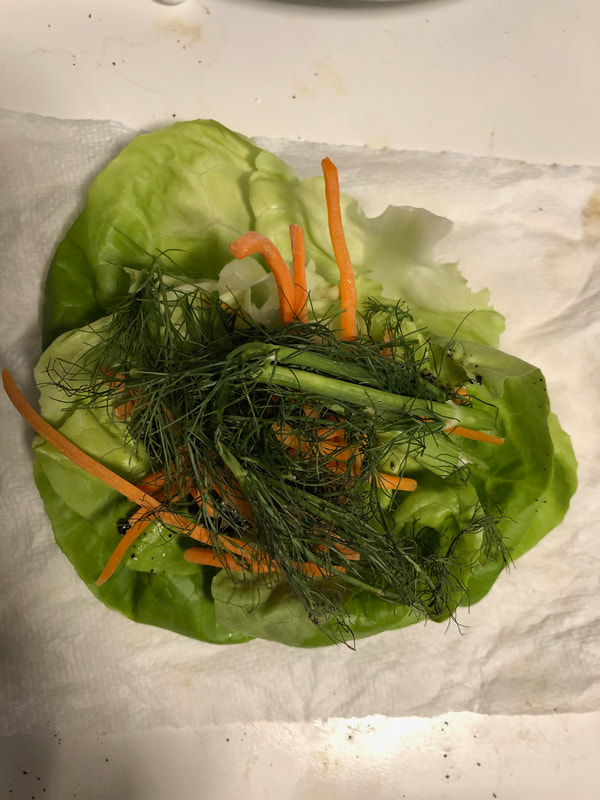 The first Driving Episode of HITM with Dr. Wendy and Glenn. The training tip with Keady Cadwell of Tremont Farm covers setting goals and standing still, we learn about the Florida Whips, learning to navigate and Abbey from the American Driving Society. Plus, the Traditional Chinese Medicine Update reviews seasonal food therapy for horses. Listen in… HORSES IN THE MORNING Episode 1948 Spring - Wood Element Spring is the time of birth and growth. Foals are born, seeds germinate, sprouts begin to push through the ground and the days become longer. Spring is the time of Yang activity with Qi ascending and expanding. Fresh greens, herbs and fast growing plants are in abundance and are good choices during spring time to move Qi upward and outward to support the Wood element. The Wood’s Zang organ is the Liver which stores the Blood and governs Qi flow. After a long, cold winter with Qi sinking to the interior, the direction of Qi must transition to moving upward and outward. If this transition is not smooth, the Liver can become Stagnant. Sour foods such as citrus, rose hips and apple cider vinegar can clear Liver Qi Stagnation. Sweet and pungent flavors can help develop a “spring within”, with sweet foods such as honey and carrots to tonify Qi and pungent foods, like peppermint and mustard greens to move Qi upwards. Infused waters are a great way to introduce whole foods to the horse and are easy to prepare for the owner. The Mu Ma Spa water can be a refreshing treat for a Wood horse in the spring. 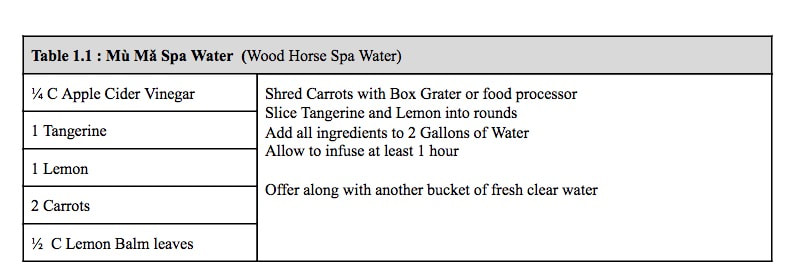 Summer - Fire Element Summer with its long days and abundant growth of plants and fruits is also a Yang season. Rising external temperature and high humidity can damage the Yin. Anhidrosis is a common problem with competition horses in the Southeast US. The inability to sweat causes episodes of heat stroke and further damages the Heart and Lung Yin. Cool and bitter foods such as alfalfa and celery can tonify the Yin and keep the body cool. Adding some pungent foods like mint and fennel can help open the exterior and encourage sweating. A wide variety of fresh fruits and vegetables as treats can help replenish minerals lost in sweat. Frozen green tea ice blocks with lemon, mint and cucumber can be added to water buckets to give horses a refreshing drink on hot days. 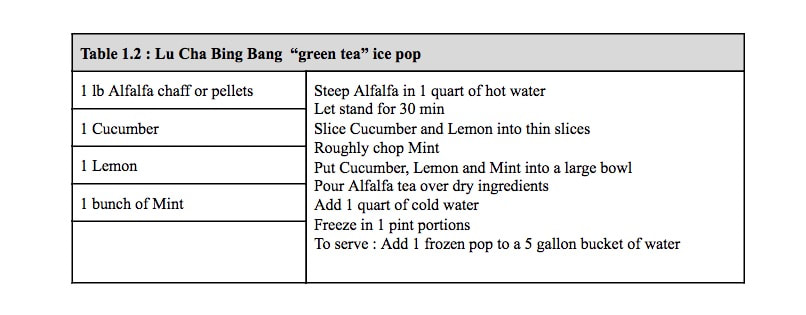  Mika Ingerman from Team Snazzy Goat joins us to give us an update about her Cashmere pair Harry and David, Fiona Delfino recaps Nature Coast CDE at Black Prong Equestrian Center. Plus, Dr. Wendy talks about Food Therapy for Cold. This episode is brought to you by Purina Mills. Listen in..... The TCVM segment starts at 32:24  We all know about Yin and Yang in TCVM. Yin is the cold and Yang is the hot and we need to stay in balance to be healthy. In TCVM we also talk about disease in terms of the 6 pathogens(Wind,Cold,Summer Heat,Damp,Dryness and Fire). These pathogens attack the body and disrupt the Yin and Yang balance and block the flow of Qi and Blood. When Qi and Blood are Stagnant, we feel pain and are susceptible to disease.
Qi is the body's energy and the Blood (in TCVM terms) are the body's fluids, (white and red blood cells, lymph, stomach and intestinal fluid, intercellular fluids and other body fluids.) We can think of Qi as metabolic energy and the Blood as the immune system and circulatory system. Cold causes blood vessels to contract and slows metabolism. For example, when you have an acute injury, you ice the area to reduce the swelling and relieve pain by dulling the pain receptors in the skin. Cold is obviously associated with Winter. Cold can combine with other pathogenic factors such as Wind, Dryness and Damp to invade the body and attack the body's warming element - Yang. When the Yang is damaged, the body has to work harder to keep warm which can consume the Qi (including the Wei Qi - immune defenses) making the animal vulnerable to disease. In horses, Cold conditions can manifest as cold extremities, arthritic pain and joint stiffness, muscle pain and stiffness, lethargy, respiratory disease and impaction colic. What can we do to help our horses with Cold ? Horses tend to drink less water if it is Cold. Horses with dental issues, especially geriatric horses can experience tooth pain with extremely cold water and will drink less. Warming the water either with a tank heater, bucket warmers or adding a few kettles of hot water to their tank can help them drink more. Adding their favorite electrolyte can help too. If they like cinnamon flavor, adding a stick of cinnamon and a few slices of ginger (both warming foods) can make the water more appealing too. The basic theory of Food therapy is to eat seasonally and to use food as medicine to balance the Yin and Yang. For Cold conditions, this would involve decreasing Cool food in the diet and increasing Warming foods. Before changing anything in your horse's diet, consult with your veterinarian to avoid exacerbating any metabolic conditions. So what are Cooling foods for horses ? Some common ones that may be in your horses diet now are :
Some neutral foods for horses include :
Resources For Turmeric info listen to my interview with Dr. Doug English of Turmeric Life For Bulk spices - Nuts.com Black Sunflower seeds Tractor Supply 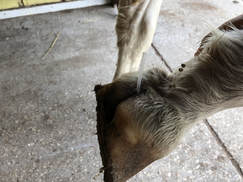 Episode 305 : Treating & Preventing Thrush in Horses Coach Jenn and Dr. Wendy explain how to treat and prevent thrush in your horses the holistic way. These methods may also be used for foot rot in cows, goats, sheep, llama and potbellied piggies. TCVM segment starts at 42:48  Does your horse have stinky feet ? Of course he does. Its the nature of horses. Sometimes we can't avoid a few months of muddy wet conditions. In Florida, it is a constant battle against moisture vs skin and hooves. When you pick your horse's feet, you remove the dirt from the lateral and central grooves of the frog. A black smelly discharge can indicate thrush. A bacterial infection with Fusobacterium necrophorum is the most common cause but it can be a mixed infection with other bacterial and fungi. Horses can be lame and sensitive to palpation of the sole and heels if the infection travels deep into the foot. Thrush can invade the central sulcus and work its way up between the heel bulbs. In the photo above, this horse has a deep thrush infection in his central sulcus that extends to the hairline. Nerd alert : Latin translation of Fusobacterium necrophorum is the "spindly bacterium of death". In Chinese medicine, we view infection as Heat. This is chronic infection and is black and smelly so we also view it as Damp so we classify thrush as Damp Heat of the hoof. F.necrophorum and other thrush causing organisms tend to be anaerobes, meaning they don't like oxygen. Fungi likes to grow in moist, dark conditions. So knowing all that, our treatment strategy will involve debriding, cleaning and balancing the hoof, reducing exposure to wet muddy conditions, and using a topical treatment to clear the Damp Heat. A regular schedule with your farrier and good hoof hygiene is the first step. An unbalanced hoof and/or sheared heels can contribute to deep sulci and make a horse more prone to thrush infection. In cattle, small ruminants and potbellied pigs, we see a similar condition called foot rot between the toes if they don't have regular foot trims. Your farrier will balance the foot and expose any pockets. This will allow you better access to clean the hoof with a stiff brush and an antiseptic solution such as dilute iodine(weak tea color). If there are deep pockets between the heel bulbs and in the lateral sulci, Hydrogen Peroxide can help by introducing oxygen and the bubbling effect can help mechanically remove bacteria and debris. There are thousands of thrush treatments and they all have varying levels of effectiveness and toxicity. We have an herbal formula that is safe and effective that we make here at 5 Elements for Animals called Thrush Thrasher ! Thank you Dr. Kyle for that great name. Thrush Thrasher liquid contains an herbal formula to clear Damp Heat along with Eucalyptus and Tea Tree oil to help increase the antibacterial and anti-fungal action. and now we also have Hoof Honey Salve for Thrush which has the same active ingredients in Thrush Thrasher liquid but in a thick beeswax base that can be packed in between heels and in deep pockets of thrush. Its water repelling action helps block out moisture to allow the tissues to heal. The herbal formula in Thrush Thrasher is based on Dr. Xie's Golden Yellow Salve and contains the following : Bai Zhi - Angelica - In Chinese herbology, we use 3 different species of Angelica roots, Bai Zhi (A. Dahurica), Du Huo (A. Pubenscens and A.Laxiflora) and Dang Gui (A. Sinensis) and each have a different action. Bai Zhi is warm and pungent so its actions can expel Wind, drain Damp, open the orifices(vessels,sweat glands, nasal passages), reduce swelling and drain pus. It is used orally for headaches, flu and infections and topically for ulcers and wounds. The extract of Bai Zhi has shown to have antibacterial effects and increases wound healing by stimulating keratinocytes (the cells that make up the outer layer of skin). Cang Zhu - Atractylodes Refers to 3 species, (A.lancea, chinensis, japonica). In TCVM, we also use another species of Atractylodes, Bai Zhu (A. macrocephela). They have similar actions of draining Damp, but Cang Zhu has a stronger astringent action due to its higher concentration of volatile oils to help dry out the infected tissues, while Bai Zhu has more Qi Tonifying actions. The oils of Cang Zhu root when cut appear red giving it it's common name of red atractylodes. Many of these compounds are also found in Hou Po - Magnolia bark. Chen Pi - Tangerine peel What makes the peel of citrus fruits smell so good ? Essentials oils like Limonene and pinene. These essential oils are used routinely in cleaners because they smell great and act as a solvent remove oils and are less hazardous alternative to turpentine. Tangerine peel also contains flavonoids, which are plant pigments. Flavonoids have many functions in plants, like producing colorful flowers to attract pollinators, fixing nitrogen, acting as chemical messengers between cells like our neurotransmitters and are secreted by plant roots to combat fungal infections. Tangerine peel is warm, pungent and bitter and is a strong mover of Qi and can Dry Damp. Da Huang - Rheum Chinese rhubarb (Rheum palmatum, Rheum tanguticum) has been used as a medicinal plant since 3000 BCE for diarrhea, constipation and infections. It has a strong astringent and antibacterial action due to its high levels of tannins, flavanoids and anthraquinones. Used topically, it can clear Damp-Heat and has antibacterial and antifungal properties. Gan Cao - Glycyrrhiza (G.uralensis, G.inflata Chinese Licorice and G.glabra English Licorice) Is sweet and can Tonify the Qi. It is used in many Chinese herbal formulas to harmonize ie. act as a catalyst for the other herbs and to distribute the herbal energy to all 12 meridians. It is used topically for abscesses and boils. One of the chemical compounds in Gan Cao is mannitol, used in conventional medicine for its osmotic effect. Recent studies on mannitol suggest it decreases antibiotic resistance in many species of bacteria commonly found in skin infections like MRSA and Pseudomonas. Hou Po - Magnolia(Magnolia officinalis) The sweet smell of magnolias in bloom alert you to its high concentration of essential oils. Magnolol and Honokiol are the 2 major phenolic compound isolated from magnolia bark and have been studied extensively for their antibiotic and anti inflammatory effects to treat acne in humans. Eudesmol which has antifungal properties is present in smaller quantities in Hou Po and is also found in red atractylodes. Huang Bai - Phellodendron (Phellodendron amurense) - Bark of the Amur cork tree contains compounds with antibacterial activity and has antioxidant activity comparable to Vit E. It also acts an an insect repellant which is alway useful in wound care for animals ! Herbal "SWAT" Huang Lian - Coptis (Coptis chinesis,deltoidea,teeta) - Is the root of the Chinese goldthread plant. It is our first choice to treat Damp Heat as it is Bitter and Cold. Berberine is one of the alkaloids shown to have antibacterial activity and the isolated compound is being studied as a possible treatment for MRSA infections. Berberine is also found in Turmeric, goldenseal, California poppy and Amur cork tree. Jiang Huang - Curcuma- Yes turmeric ! I have discussed the antibacterial and antifungal activities of turmeric with Dr. Doug English of Turmeric Life. Listen here. Tian Hua Fen - Trichosanthes (T.kirilowii) is the root of the Chinese cucumber aka snake gourd. It helps to reduce Heat and swelling and helps wound healing. Treating and Preventing Thrush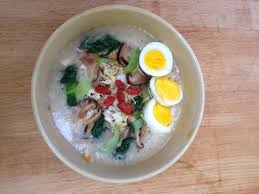 Congee aka Chinese rice pudding is a staple in Chinese Food Therapy. Congee is most commonly made with rice but can be made with other grains like millet and corn as well. Congee made with bone broth is easy to digest and provides lots of nutrients for your sick puppy. When the congee is done, you can add other foods to add additional beneficial nutrients like Sardines or eggs for protein and omega-3s, Goji berries for antioxidants, mushrooms for immune support, green leafy veggies to support the liver, ect.
The basic theory of congee is a small amount of rice with 6 times as much water cooking low and slow with occasional stirring until a thick soup forms. Ingredients : 1 cup of rice ( I like med grain ) 6 cups of Bone Broth ( water or any stock is fine) Dr. Ying's bone broth recipe 1 teaspoon of soysauce a few slices of fresh ginger Optional Garnishes : Cooked turkey or beef mushrooms goji berries blue berries hard boiled egg sardines cooked green leafy veggies such as kale or bok choy seaweed Kelp/Kombu or wakeme Directions : 1. Rinse rice in a strainer under cool water 2. Combine rice, broth, salt and ginger in a large heavy bottomed pot 3. Bring to a boil. 4. Reduce heat, partially cover with lid allowing most of the steam to escape and simmer for 1.5 hours stirring occasionally until a yummy brothy porridge forms. 5. If the congee becomes too thick during cooking, add more water or broth. Add in some optional garnishes to make it even more nutritious. I had a great chat about Canine Flu with my dear friend and fellow dog lover, Mary Lou Davidson of Sarasota Dog. Click on the link to listen to the interview. Still have questions ? Here are some FAQs about Canine influenza. By Mary Lou Davidson and Dr. Wendy
So we've heard about the canine flu up north and even in Northern Florida - do we really need to worry about it here? Yes. As with human flu it spreads through the air and virtually all dogs can become infected. Not all will get sick but they can shed virus to other dogs. In our dog friendly world, more of our pups are lucky enough to go out and about but being a doggie social butterfly has risks. Who/what kind of dogs are most at risk? The H3N2 strain of canine influenza is an emerging disease so our dog population does not have immunity to it. This means any dog of any age or breed can become infected if they are exposed. Because the flu is spread though aerosolized nasal secretions, dogs with an active social life where they come in contact with many other dogs(go to the dog park, groomers, daycare, ect) are most at risk. How it spread? The flu virus spreads through nose to nose contact and through the air. It can travel up to 20 feet. Fomites like water bowls, toys, and even people can spread disease. Just think about the preventative measures you take during flu season like avoiding coughing people, crowds and washing your hands. The flu virus can live on some surfaces for up to 48 hours, on clothing for 24 hours and on hands for 12 hours so good hygiene is an important way to combat the spread of canine flu. Who is the most susceptible? (older and very young dogs) All dogs are can become infected and up to 80 % of dogs will develop signs like a high fever, cough, nasal discharge. They may be very tired and lose their appetite. The 20 % that do not show clinical signs can still shed the virus and spread infection. About 8 % of dogs develop 2 nd pneumonia even with treatment. If they are lethargic and have difficulty breathing, they will require medical attention. What signs would make me think my dog might have Canine Flu? Think about how you feel with the flu. You are tired, coughing, achy, fever, have a runny nose and shortness of breath(panting). Signs usually appear in 2-3 days after exposure. Most dogs recover within 2 weeks with supportive care and a course of antibiotics that reduces the chance of a secondary bacterial infection. Dog can remain infective up to 4 weeks and the cough can last up to 8 weeks. Should I consider this an emergency? Most cases are not an emergency. If you suspect your doggie has the flu, do not go to the clinic. Call your veterinarian and let them know when you first noted signs of coughing, if you have been to a show, day care or dog event within the past week, if your dog was around another dog that was coughing. Your vet may want to collect a nasal swab to test for flu and other viruses but may visit you by house call or have you enter a separate entrance to the clinic to avoid exposing other dogs. About 10 % of dogs develop pneumonia even with treatment. If they are lethargic and have difficulty breathing, they will require hospitalization. What's the best treatment? The best treatment is a course of antibiotics and supportive care so rest, fluids, high quality food. Bone broth bone-soup-for-dogs-and-cats.html(recipe) or bone broth congee congee-recipe.html(recipe) is a very nutritious treat for a sick dog. If your dog is coughing, isolate them and other dogs in your household for 4 weeks to prevent the spread of disease to your puppy’s friends. A vaccine is now available and requires an initial dose followed by a booster 4 weeks later. Vaccination does not prevent infection but it may reduce the severity and duration of clinical signs. We recommend dogs with an active social life consider flu vaccination. If you currently vaccinate your dog for kennel cough, you may consider the flu vaccine as well. If your dog goes to the groomers, day care or events, try to get your series of vaccinations completed a few weeks before. Yearly vaccination is recommended. What's the survival rate? About 10% of cases can become life threatening. Secondary bacterial infection in a dog that already has a compromised immune system or breathing problem can require hospitalization. A small number of deaths due to canine flu have been reported but most dogs recover without incident. Can cats catch "Canine Flu"? It can infect cats and they will have a mild cough and usually recover quickly. There have been no reported fatalities from canine flu in cats. How about people? There has been no evidence that Canine flu infects people. Where can people find more information about the Canine Flu. For the official source of accurate dog flu info and the most current updates, visit the University of Florida’s CVM website. http://hospitals.vetmed.ufl.edu/canine-influenza/ Episode 297 Sweet Itch - what is it and how to treat it Summer is coming and so are the bugs ! Glenn and I discuss the cause of sweet itch, how to break the itch-scratch cycle and ways to control mosquitos, black flies and no see ums around your house and barn. The TCVM segment starts at 51:19  Sweet Itch: A summer nightmare for horses Sweet Itch aka Queensland Itch aka Culicoides hypersensitivity is one of the most common skin problem in horses and is also the hardest to treat. It is a horse owner's worst nightmare ! Sweet Itch is an allergy to insect bites. Mosquitos, black flies and no-see-ums have all been implicated as the cause of extreme itching and scratching which can lead to hair loss of at the mane,tail and belly, self trauma, and multiple open wounds with secondary bacterial infections. The saliva of these little blood suckers contains allergens that cause an intense itching. The horses will try to scratch on anything available to relieve the itch and in doing so can cause deep wounds and hair loss. Once the itching has begun, it is very difficult to control so preparation and prevention is key. The biological process is similar to hot spots in dogs which is caused by an allergy to flea bites. See my blog post about hot spots in dogs. Why do some animals have allergies to certain things and some do not ? The answer is that allergies are cumulative. You may have a tolerance for pollen and cats and dust if exposed to any one of those things alone, however, if you encounter all 3 at once, your immune system will over react. You will be pushed beyond your allergy tolerance threshold, your body will release inflammatory mediators like histamine and cytokines that cause watery eyes, itchy skin, hives, sneezing, coughing and if severe, may constrict your airway. The same is true in horses. They are exposed to lots of allergens in their daily life, mold, dust, pollen and bugs but when the swarms of biting flies emerge in the summer, they are pushed beyond their allergy threshold. 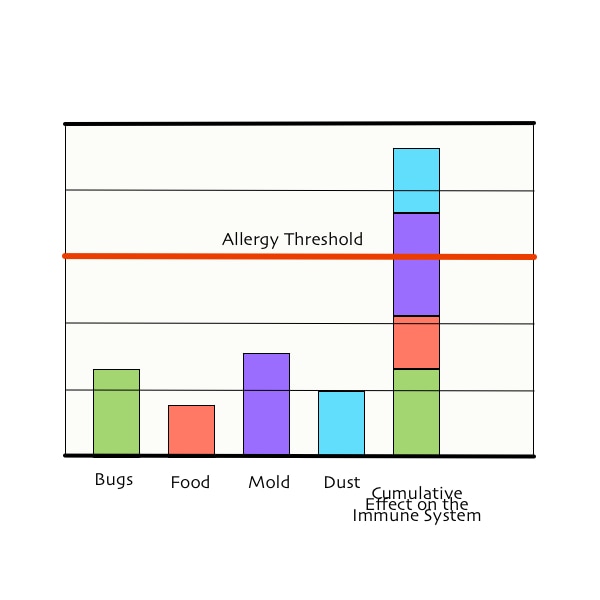 Recognizing the symptom is key. The photos below show advanced stage disease. Let’s talk about prevention. Before the fly season begins you can prepare your horse and barn with some diet and lifestyle changes.
1. Reduce contact with Insects I know easy to say, hard to do. Most biting flies have a feeding pattern. Culicoides and gnats favor dusk and dawn while mosquitos are most active from dusk through early evening. Keeping your horse in the stable with a strong fan with plenty of fly spray may help. Fly sprays are short acting but can provide some relief. Some natural alternatives are Eco-vet and Repel which is made with Oil of Lemon Eucalypus. Gnats and no see ums are not strong fliers and will avoid the turbulence of a fan. When they do go out, fly sheets and face masks are a great help. To reduce the number of biting flies in your stable area you can reduce the breeding ground areas like stagnant water, long weeds and manure piles. A natural way to reduce emerging larvae is to treat ponds, streams and standing water with BTI aka mosquito dunks. Bacillus thuringiensis subspecies Isralensis, is a naturally occurring bacteria in soil. It produces toxins that only affect the larvae of mosquitos, blackflies and gnats. It is safe for all other animals, insects and plants and approved for pest control for organic farms. Spray BTI in ponds, use dunks in running water or drainage ditches. Make traps with bti in buckets of water with grass clippings or pulled weeds. Mosquitos and gnats will lay eggs there but they will never hatch. Goldfish and mosquito fish may be available from your county free. Dump water troughs every few days and some shell or gravel around the trough will prevent muddy puddles from becoming gnat nurseries. 2. Reduce contact with other allergens Mold and Dust are part of a horse's daily life. To reduce exposure, do not sweep or blow the barn aisle when horses are inside ! This is one of the worst things you can do to your horse's immune and respiratory system. Feed high quality hay and wet it down or soak it in a net for a few minutes before feeding. Do a full cleaning of the inside of the barn before allergy season. Inflammatory Foods processed foods and an unbalance ratio of omega 6 to omega 3 fatty acids tend to contribute to inflammation. Black oil sunflower seeds are high in vit E but have a high level of Omega 6. This ratio can be balanced to the ideal level of 1-4:1 (meaning approx 1-4 parts omega 6 to 1 part omega 3) by adding Chia seeds which are very high in Omega 3s. 3. Increase your horse's allergy threshold You can increase your horse's allergy threshold by increasing the levels of omega 3 fatty acids in the diet. As mentioned above, chia seeds are a great source of omega 3s and horses love them. Antioxidants can also help increase your horse's allergy threshold. Some foods therapy suggestions for horses are seaweed (kelp or spirulina), gogi berries, spinach, green tea, ginger and of course, Dr. Doug's favorite, turmeric. 4. Avoid Immuno-stimulants Vaccines stimulate the immune response to protect your horse from disease. Try to vaccinate early in the season before the emergence of biting flies. Killed vaccines and ultra purified vaccines do not cause as strong of an immune response as modified live and recombinant vaccines. So you have taken all the steps for prevention and your horse still has sweet itch. Now it is time to treat. Treat early in the course of the disease if possible when you first see the signs of hair loss and itching. The TCVM diagnosis is Wind (Itching) and Damp Heat (red crusty inflamed and infected skin) Acupuncture and Chiropractic Care can help reduce the itching and rebalance the immune system. To find a veterinarian trained in TCVM near you, search by your zip code at the Chi Institute page www.tcvm.com. Herbal Therapy includes formulas to Tonify the Blood to stop itching and Clear Heat. For Topical Treatment we recommend Dr. Ying's Sweet Itch Cream, a soothing blend of coconut oil, Chinese herbs and essential oils to relieve itching, soothe irritated skin, prevent secondary bacterial infection and repel biting insects. We also have 2 herbal formulas to be given orally for Sweet Itch. The TCVM diagnosis from your veterinarian will help determine which is the right choice for your horse. Damp Heat Skin Formula or External Wind Formula can help relieve the itching and inflammation in the skin. Food therapy is a very important part of the treatment. As mentioned above, omega 3 fatty acids and antioxidants need to be included in the diet. Foods that Tonify Blood and Cooling foods can be beneficial. Apricots and dates Tonify Blood, Barley, cucumber and green tea can Drain Damp and are Cooling. So as you can see, sweet itch can turn into a mid summer nightmare for you and your horse. Do your best to prepare for the season and change the things you can control. You don't need to do them all. If you live next to a creek or if the barn manager refuses to turn the horses out before they blow the barn, well ok you have to live with it but at least you can add some food therapy treats or some herbs or sneak some BTI into your neighbor's pond to get you one step closer to a happier, healthier summer.  The Art and Science of Traditional Chinese Veterinary Medicine is based on the principles of the yin and yang, the balance and harmony of the universe and the 5 element theory to recognize the patterns of disease.
Chiropractic focuses on the relationship between the structure and the function of the body and how that relationship affects the preservation and restoration of health. Chinese medicine & Chiropractic attempt to find the root of the problem and treat the root to bring the animal back to harmony and good health. Sport horses live a stressful life of travel, exposure to disease, physical and mental exertion. A wellness program is essential to keep your equine athlete happy, healthy and competing at the highest level. Dogs, Cats and other pets experience stress to their immune system and qi from the environment, lifestyle and changes in the household. Wildlife and exotics can experience stress from simply surviving in a captive environment. 5 Element theory can also help you understand the personality of your animals so you can have a more rewarding relationship. This is the first step in a harmonious household and successful training program. Basic behavior consults are part of every exam. Is your cat urinating outside the litter box ? Is your dressage horse unhappy ? Is your sweet old dog getting aggressive ? Maybe a more in depth behavior exam with all animals in the household or in a performance setting could help. A combination of Acupuncture, Chiropractic care, Tui Na, Food and Herbal therapy can be very effective for disease treatment and prevention. Chinese medicine can work with western medicine to enhance the healing process and lessen the side effects of drugs. We also offer integrative wellness plans that include titer tests, vaccinations, deworming, flea and heart worm prevention, Coggin's tests and health certificates plus nutritional supplements in our online store. Episode 295 : Turmeric Food Therapy with Dr. Doug English. Australian Veterinarian, Farmer and Marathon runner Doug English has become a world leader in the use of turmeric to treat ailments in animals. His facebook group Turmeric User Group (TUG) has 250,000 members and his Turmeric life website is packed with informative articles and updates on his latest research. Listen in as he tells us about using turmeric in his practice, his current research and how you can become a part of his turmeric life community. TCVM segment begins at 28:30  How to use Turmeric with your Animals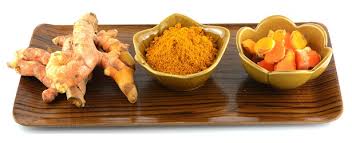 Turmeric root, Jiang Huang or Yellow Ginger is a commonly used ingredient in Asian, Middle Eastern and Indian cooking. If you have ever eaten Tandoori, Curry, Satay or Singapore noodles, you have eaten turmeric. Turmeric alone is not spicy but it is usually mixed with spicy herbs and chili powder to give the dish a spicy kick. Food therapy principles for “Clearing Heat” are to use foods with Cold properties and then to Open the Exterior to allow the heat to escape. Curry paste, a blend of turmeric with cooling properties plus chili powder which causes you to sweat (open the pores) would be following these TCM principles.
Many of our herbal formulas contain turmeric as a main ingredient. These issues all have a degree of Heat (inflammation and/or infection) :
Incorporating Turmeric Root powder into your pet’s diet is a very good way to help control some of their most common ailments, like arthritis pain, itchy skin, diarrhea and anxiety. So how do you get started ? Read on for Dr. Doug's recommendations about preparing golden paste and dosages for pets and horses. For more info about Turmeric and to read Dr. Doug’s latest research, subscribe to Turmeric Life. Here is some great advice from Dr. Doug about using Turmeric as Food therapy for your animals. GOLDEN PASTE for - Humans - Dogs - Cats - Birds – Reptiles – Fish We are all animals and turmeric benefits all ! Start humans and dogs at ¼ teaspoon 2 to 3 times a day, with food. Small dogs and cats 1/8 tsp. If your gut biota does not tolerate it, you will get some diarrhea. If ok, double dose every 3 or 4 days until you are at 1 teaspoon doses with food and 3 to 4 times a day. To make Golden Paste (GP): Ingredients:
Can add the oil now or later when consuming. Place turmeric and water in pan, bring it to the boil then reduce to a simmer. Stir over gentle heat until you have a thick paste. This should take about 7-10 minutes. Or if you are adding turmeric powder to a stew, it is exactly the same as making golden paste and it will be assimilated into the food. Move from stove, let it cool down, add the pepper and oil at the end of cooking. Preferred oils are coconut, olive. You do not have to add oil now because it can be added later when consumed. Some like to put it all together at preparation though. Stir well (a whisk is ideal) and allow to cool. Ideally store in sterilized glass jar, or purpose designed plastic and refrigerate. Will keep for 2 weeks, refrigerated. You can freeze portions if you think you have too much and it will keep for a year, at less than 0 degrees C. Horses Start slowly with 1 tsp of Golden Paste or dry powder. Standard dose is 2 tsp of Turmeric Powder, 2 tsp Oil, 16 grinds freshly ground Black Peppercorns 2 times a day. Horses may or may not do better on GP and there is a lot of evidence that they assimilate dry powder very effectively. Being a herbivore it is a given that they digest plant matter much better than humans or dogs. Maximum will be a half cup of GP or powder at any one time but good results are seen with a lot less and normally 2 teaspoons of GP or even 2 teaspoons of powder are sufficient. For sarcoids at least a tablespoon of powder is needed once or twice daily. Ruminants small and large ( goats, sheep, llama and cows) These do just as well on neat turmeric powder because of their very efficient ruminal digestion. 1 teaspoon. Chickens They do very well on it: mix a ¼ tsp (or more if preferred) per bird into a small amount of grain. Pour boiling water to wet well, mix and sit for an hour. Feed out. In Episode 294 : GMHA and Dr. Coggin's Test We talk to Dr. Oscar Fletcher who was the Dean of NCSU-CVM from 1992-2004 (my Dean from way back in the 90s) to share his memories of Dr. Coggins and his insights on the history and importance of Dr. Coggins' Test. TCVM segment starts at 29:35  Why do we do the Coggins Test ?In our practice, we sometimes have clients ask...
"Why does my old retired horse need a coggins, he doesn’t go anywhere ?" or they say, " Have you ever seen a positive ?" Well thankfully no, I have never seen a positive and I hope from routine testing, I never will. With our ever increasing urbanization of the USA, even horses who don’t travel, live in close proximity to others so we have to think about herd health on a large scale. To understand the necessity of the Coggins Test, let's look at the history of Equine Infectious Anemia and the man who's pioneering work developed the test, Dr. Leroy Coggins. What is the Coggins Test ? The coggins test looks for antibodies for equine infectious anemia in the horse's blood by using the Agar Gel Immunodiffusion (AGID) test. Equine Infectious anemia is a lentivirus in the same family as HIV and FIV. These are retroviruses meaning they insert themselves into the host cell's DNA to replicate. Because of this, horses are infected for life and there is no cure and any horse with antibodies to EIA is infectious to other horses. The virus is spread by biting flies such as horse flies or deer flies. Because the bite is so painful, a fly may bite one horse and then be swatted off only to come back immediately to finish their meal. EIA can also be spread by contaminated needles, blood products and dental equipment. In 2015, an outbreak in racing quarter horses in California resulted in 34 horses being infected. 250 more horses on 19 farms were exposed and had to undergo 60 days of quarantine and testing. The 3 phases of infection The acute phase begins within 3 days to 2 weeks after infection. Horses will have a high fever, edema, be lethargic and anemic. 30 % of horses will die. These horses carry a high viremic load and 1 ml of their blood can infect 1 million horses ! A horse during the acute phase may test negative on the coggins test because he has not made antibodies to the virus yet. The 70 % who survive can be chronically infected or become inapparent carriers. Chronically infected horses may show general signs of weakness, weight loss, depression and a recurring fever. Very general signs right ? These horses will test positive on a coggins test and 1 ml of their blood can infect 10,000 horses ! The inapparent carrier state as the name implies shows little if any sign of infection. In these cases only 1 horsefly in 6 million will transmit EIA. However stress or another illness can cause a relapse and these horses can revert back to the chronic or acute phase and their viral load will increase. History I bet you didn't know that there really was a Dr. Coggins behind this test. Dr. Leroy Coggins was one of the founding administrators of NCSU College of Veterinary Medicine. He was the head of the department of Microbiology, Pathology and Parasitology. He was a well loved and respected researcher, professor and mentor. Read more about Dr. Coggins at the NCSU-CVM site EIA has been reported in all parts of the world and was 1st recognized in the US in 1890. Outbreaks were usually noted at racetracks because infected horses were brought into close quarters with other young, stressed horses. There were states designated as "hot zones" which included the southeast. At the time, the vector had yet to be determined but horses who were infected seemed to live or come from hot, damp climates and EIA was given the common name of “swamp fever”. During the 1960s, Dr. Leroy Coggins was working on his PhD in virology at Cornell University when a major outbreak occurred on Standardbred Farms in New York. By 1970, Dr. Coggins had developed a test using the AGID method to detect antibodies to Equine Infectious Anemia. Previously, a donor horse inoculation test was the only test available to screen chronically infected or exposed horses which took 4 to 8 weeks and was very expensive both monetarily and morally. In 1973, the USDA made the Coggins test the gold standard for determining exposure and prohibited any “positive reactor” from moving across state lines. Individual states determine the requirements for entry and that same year, Florida was the 1st state that required any horse being sold, moved, raced or shown to be tested and for positive horses to be quarantined or euthanized. Of course this was a shock to many horse owners who had inapparent carriers. Their horses did not look sick and there was little educational material for the general horse owner about Equine Infectious Anemia. Thankfully the Florida Department of Agriculture had the foresight to enforce these regulations to attempt to control the spread of EIA using Dr. Coggins’ Test. In 1970, 12 % of horses tested in Florida were positive. By 2000, this number dropped to 0.016% and there were zero cases of EIA in Florida in 2016 ! Nation wide, the value of the Coggins test was similar. In 1972 about 4% of horses tested nationwide were positive. By 1980, this number dropped to less than 1%. There are still occasional outbreaks reported. However mandatory routine testing seems to be keeping the prevalence to a minimum. Now that you know some details about EIA are you rethinking the importance of your coggins test ? For more info about EIA check out these links USDA-APHIS Federal Guidelines USDA-APHIS EIA discussion group notes 2015 Florida Department of Agriculture |

Dr. WendyPractices Traditional Chinese Veterinary Medicine in Sarasota, Florida Categories
All
Archives
December 2023

|
 RSS Feed

|
|